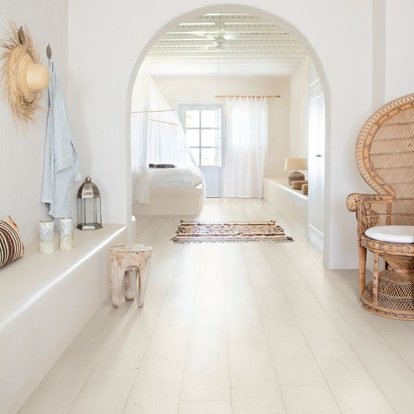
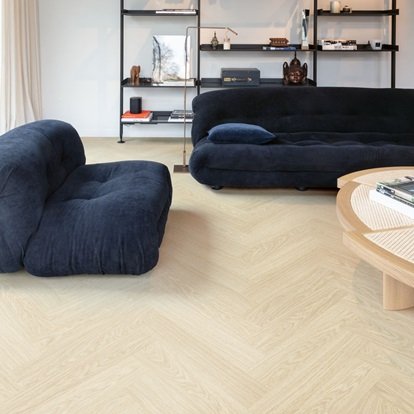
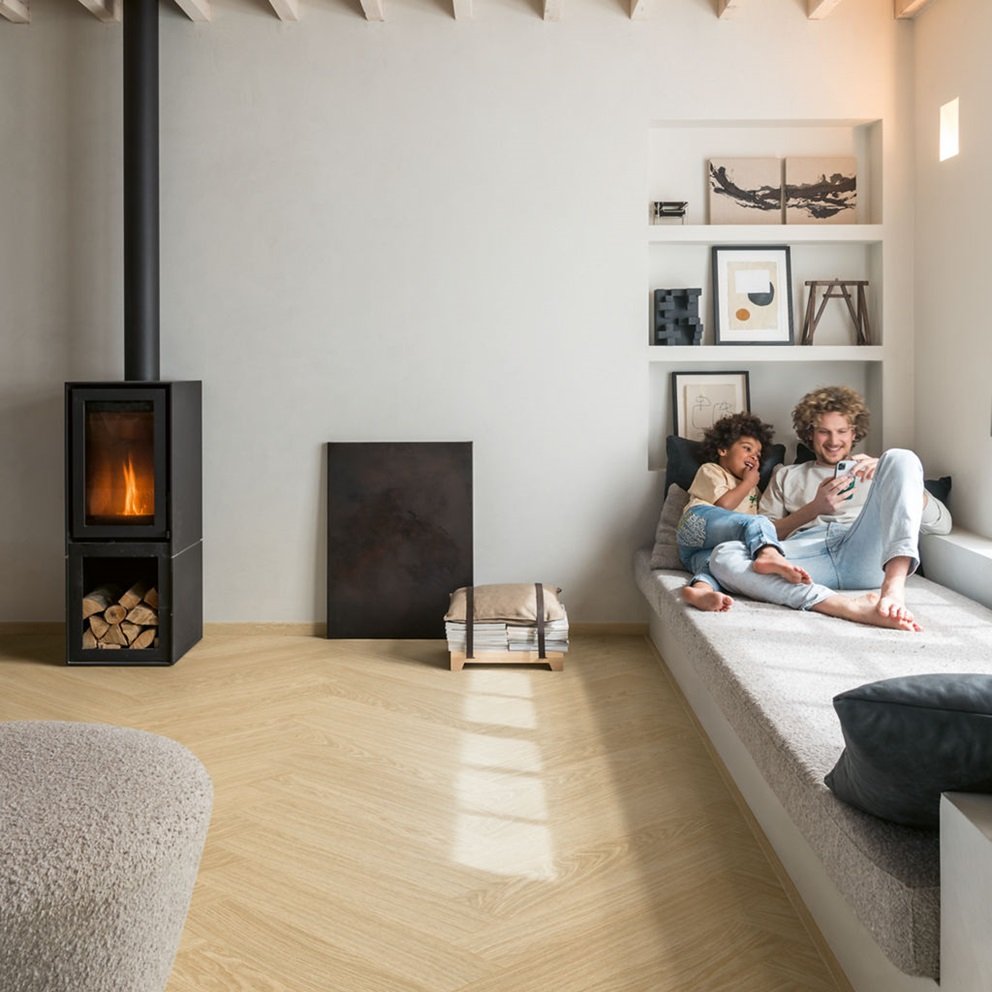
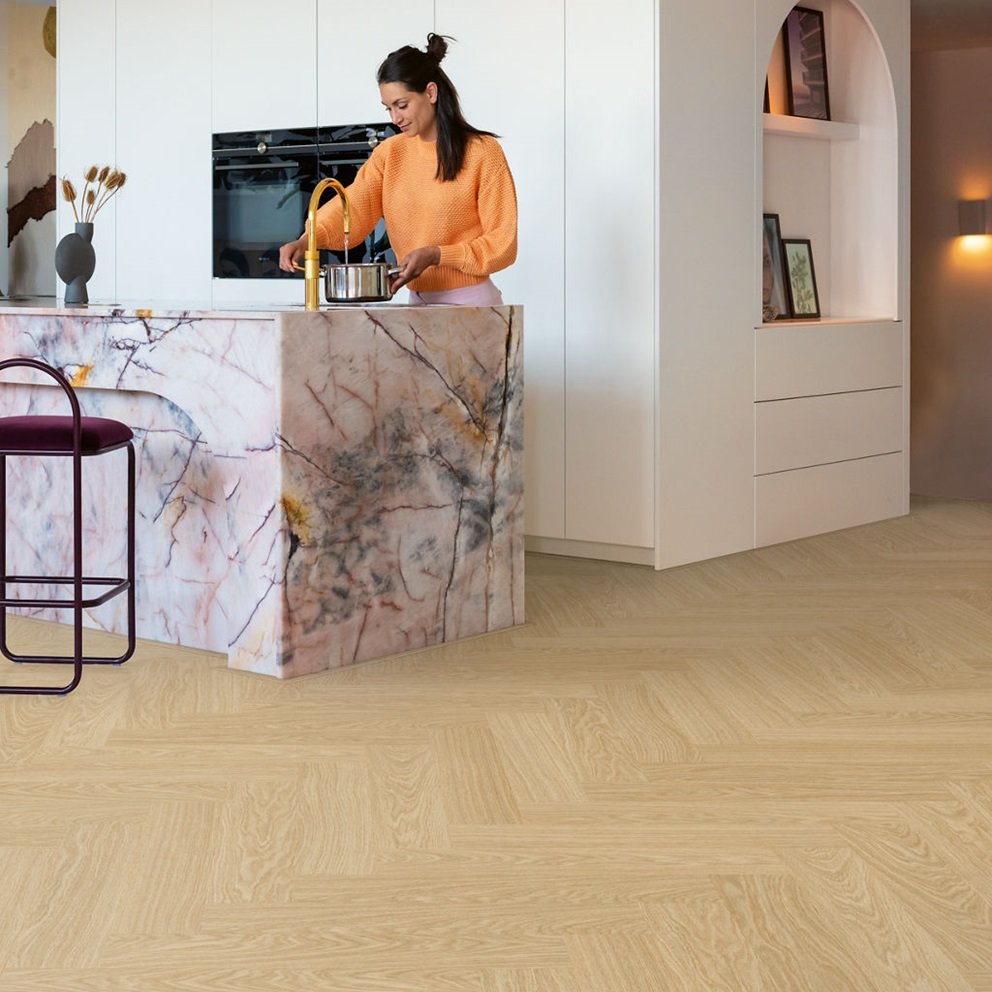
Modern flooring technology has transformed the way homes and businesses achieve the look of timber without the maintenance burden. Hybrid laminate flooring combines the visual appeal of hardwood with advanced performance features. Yet many Melbourne homeowners still ask — what’s the difference between laminate and hybrid flooring?
Both materials deliver stylish, durable, and cost-effective alternatives to traditional timber, but their structure and functionality vary in subtle yet important ways.
Laminate flooring is built with four key layers — a protective top coating, a decorative print layer, a high-density fibreboard (HDF) core, and a stabilising backing.
It’s known for its affordable cost, scratch resistance, and wide design range, making it a long-time favourite for family homes and investment properties. However, it is not fully waterproof, which limits use in wet areas like bathrooms or laundries.
Hybrid flooring is a fusion of vinyl and laminate technology, combining the rigidity of laminate with the waterproof properties of vinyl. Its multi-layer construction includes a UV-resistant top coat, a decorative layer, a limestone-polymer composite (SPC or WPC) core, and an acoustic backing for comfort and sound absorption.
This structure makes hybrid flooring 100% waterproof, durable, and ideal for open-plan spaces and kitchens.
| Feature | Laminate Flooring | Hybrid Flooring |
|---|---|---|
| Core Material | HDF (wood-based) | SPC or WPC (limestone-polymer) |
| Water Resistance | Water-resistant (not waterproof) | 100% waterproof |
| Durability | Excellent for dry areas | Superior for all rooms |
| Cost (Supply + Install) | $60–$100 per m² | $80–$120 per m² |
| Comfort & Sound | Harder underfoot | Softer with built-in acoustic layer |
| Maintenance | Easy cleaning, avoid wet mopping | Very low maintenance |
| Installation | Floating click-lock | Floating or glue-down |
Melbourne’s climate can vary from humid summers to chilly winters — conditions that hybrid floors handle exceptionally well. Homeowners prefer hybrid for its moisture resistance, easy installation, and authentic timber look, while laminate remains a budget-friendly option that delivers strong style value for money.
Professional installation ensures longevity and visual perfection:
Surface Preparation – Clean and level subfloor.
Underlay Placement – For acoustic and moisture protection.
Click-Lock Installation – Quick interlocking system for seamless joints.
Trims & Edging – Neat finish at walls and doorways.
Final Inspection – Checking fit, alignment, and surface quality.
Hybrid flooring offers better waterproofing, durability, and comfort. Laminate remains the more economical option for dry areas such as bedrooms or living rooms, while hybrid is suitable for kitchens and open-plan spaces.
Laminate flooring: $60–$100 per m² (supply & installation)
Hybrid flooring: $80–$120 per m² (supply & installation)
Hybrid’s higher cost reflects its waterproof core and acoustic backing, offering long-term value.
Yes, both can be installed over existing tiles if the surface is level and moisture-free. Hybrid’s rigid core provides superior stability on uneven subfloors compared to laminate.
Both are low-maintenance options. Hybrid flooring only requires sweeping and occasional mopping, while laminate should be cleaned with a slightly damp mop to prevent water penetration.
Laminate floors typically last 10–20 years, while hybrid flooring can exceed 25 years with proper care due to its water resistance and durable construction.
Hybrid Laminate Flooring – Melbourne’s balance of beauty, performance, and value.
Stylish, strong, and suited to every Australian home.
Visit: www.woodflooringpro.com.au
👉 Get expert advice and a free quote at woodflooringpro.com.au
Our vision is to provide innovative, independent flooring solutions that solve problems for homes, industries, and workspaces, as well as flooring we would like in our own residences, work spaces,