
FAQS
What Types Of Flooring Do You Offer?
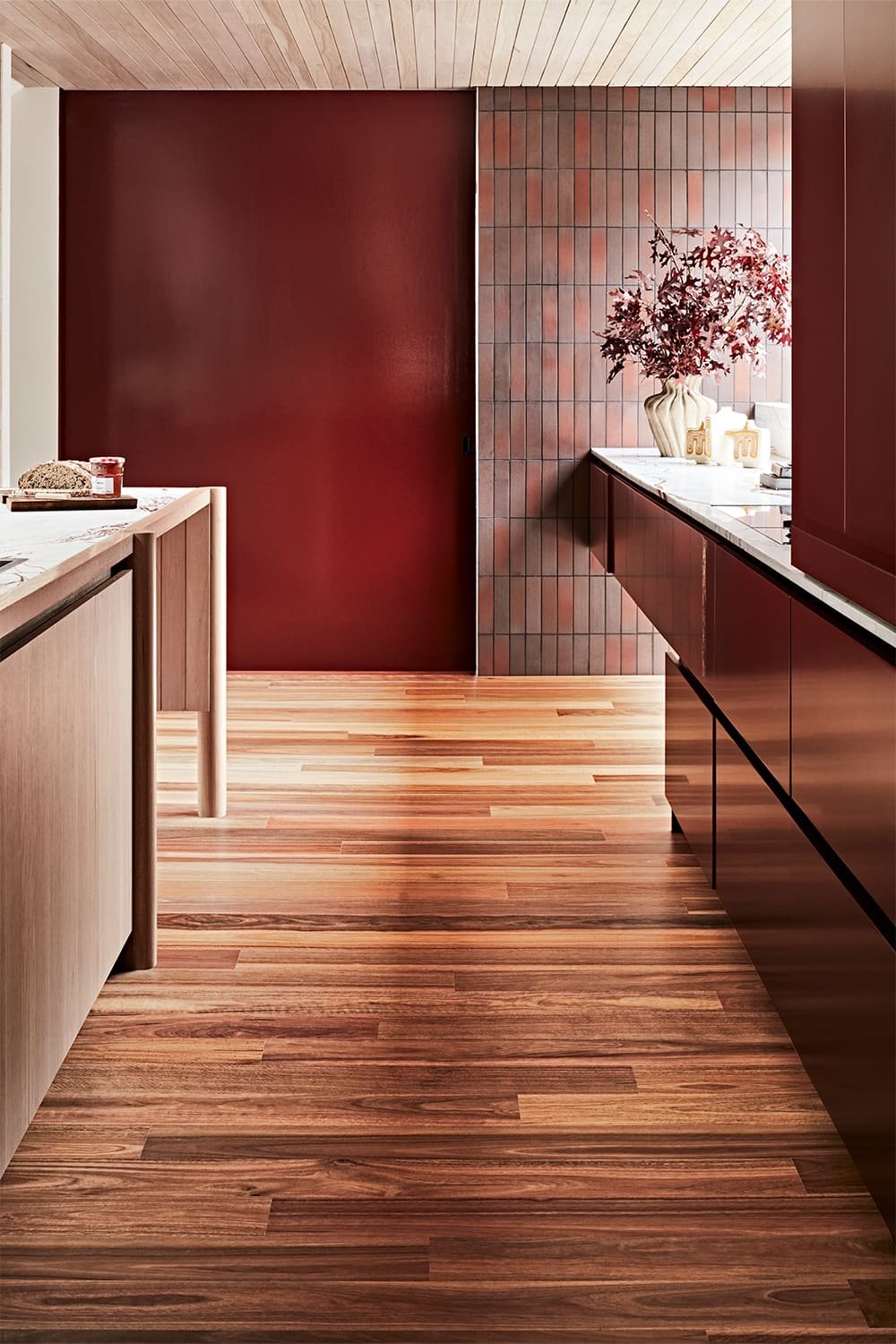
We specialise in engineered oak and Australian native timber flooring, crafted for both residential and commercial applications. Our collections feature a variety of tones, grains, textures, and board widths, allowing you to select the perfect aesthetic for your space — from light contemporary finishes to rich traditional hues. All options are designed for durability, stability, and long-term performance.
Can I Take Home Samples?
Absolutely. We encourage clients to view and test our timber samples at home, so you can see how each shade and texture responds to your lighting, wall colours, and interior finishes. Browse our range online, or arrange a consultation and sample viewing session where we’ll bring options directly to you.
Do You Offer Supply And Install?
Yes. We provide a complete end-to-end flooring service — from consultation, product selection, and on-site measurement to professional supply and installation. For trade clients, architects, and builders, we also offer supply-only options, ensuring flexibility for large-scale or ongoing projects. Every installation is handled by qualified flooring specialists to guarantee a flawless result.
How Do I Get A Quote?
Simply book an on-site consultation through our contact page. Our specialists will visit your property, measure the area, discuss your requirements, and present a curated selection of timber samples. You’ll receive a detailed, transparent quote outlining materials, installation timelines, and recommendations best suited to your project.
Where Do You Operate?
Our services extend across Melbourne and greater Victoria, including popular regions such as Bayside, Mornington Peninsula, Yarra Ranges, Geelong, and select regional areas. Whether you’re undertaking a home renovation, new build, or commercial development, our team can assist with tailored flooring solutions across metropolitan and regional locations.
Do You Offer Trade Pricing?
Yes. We offer tiered trade pricing for industry professionals, including architects, builders, interior designers, and property developers. Our trade partners enjoy priority support, competitive bulk pricing, and access to exclusive materials for custom or large-scale projects.
Do Your Stair Treads Match The Flooring?
Yes. We can custom-manufacture stair treads, nosings, and risers using the same timber batch as your chosen flooring. This ensures a perfect colour and grain match, providing a seamless visual transition between your floors and stairs for a cohesive architectural finish.
What Kind Of Finishes Do You Offer?
Our timber floors are available in premium matte finishes that highlight natural texture while offering excellent wear resistance. Matte coatings provide a refined, contemporary aesthetic and minimise the appearance of surface marks, maintaining an elegant look that stands the test of time.
What’s Your Lead Time?
Lead times depend on the selected product, project scope, and availability. On average, our projects operate within a 4–6 week lead time from order confirmation to installation. During quoting, we’ll provide clear scheduling details to align with your build or renovation timeline. For large or commercial projects, early bookings are recommended to secure materials and preferred installation dates.
Do You Provide Aftercare Advice?
Yes. Upon completion, we provide a comprehensive aftercare guide to help maintain your new floors. You’ll receive professional advice on cleaning, maintenance, recoating cycles, and protection methods to keep your timber surfaces looking their best for years to come. Our team also offers ongoing maintenance support and restoration services when required.
What are the important issues to discuss with my installer before the floor is installed?
Before installation, it’s essential to review several key details with your installer to ensure the best result. Discuss:
Subfloor condition – confirm it’s level, dry, and structurally sound.
Moisture levels – ensure both the site and timber are acclimatised to local humidity.
Layout and direction of boards – choose orientation to suit room flow and lighting.
Expansion joints and trims – plan for seasonal timber movement.
Underlay and acoustic needs – consider insulation and compliance for multi-storey buildings.
Clear communication before work begins helps prevent issues such as cupping, gapping, or uneven finishes after installation.
What should I expect during the process of installing, sanding and coating a solid timber floor?
A solid timber floor installation involves multiple precise steps:
Preparation – subfloor cleaning, levelling, and moisture barrier application.
Installation – timber boards are laid using nail-down or adhesive systems.
Sanding – once installed, the floor is sanded smooth to remove imperfections.
Coating – protective finishes are applied in layers for durability and aesthetics.
Expect some noise, dust, and limited access to the area during the process. Once complete, coatings generally require 24–48 hours to cure before light foot traffic.
Which is the best type of coating for my timber floor?
The right coating depends on your desired appearance and level of maintenance:
Water-based polyurethane – fast-drying, low-odour, and provides a natural matte finish.
Solvent-based polyurethane – highly durable, with a glossier finish suited for high-traffic areas.
Hard wax oils – offer a natural look with easy spot repairs but require periodic re-application.
Each coating has its pros and cons; water-based finishes are popular for eco-friendliness, while solvent-based provide the longest-lasting protection.
What should I know about different timber grades, colours and sizes?
Timber grading refers to the visual character and natural variation within the boards:
Select Grade – minimal knots and uniform colour for a refined appearance.
Standard Grade – a balanced mix of natural markings and even tone.
Feature Grade – prominent grain, knots, and colour contrasts for a rustic aesthetic.
Timber colour and board size affect both style and perception of space — wider boards create a modern, spacious feel, while narrow boards highlight traditional craftsmanship.
Which adhesive systems are suitable for timber flooring?
For timber floors, high-quality moisture-cured polyurethane or MS polymer adhesives are most commonly used. These provide strong bonding, flexibility, and resistance to temperature changes. The adhesive must suit both the subfloor type (concrete, plywood, or screed) and the timber species to prevent movement or delamination. Always ensure installation complies with manufacturer specifications for warranty protection.
What are the different methods for installing timber floors?
Timber floors can be installed using three main techniques:
Nail-down installation – ideal for solid timber over plywood or joists.
Glue-down installation – used for engineered or solid floors on concrete bases.
Floating installation – suitable for engineered or hybrid floors using click-lock systems.
Each method has distinct advantages in sound absorption, stability, and cost. Your installer will recommend the most suitable option based on subfloor conditions and floor type.
Can you tell the difference between hardwood and engineered hardwood?
Yes — while both provide the look and feel of real timber, their construction differs:
Hardwood flooring is milled from solid wood, offering longevity and the ability to be sanded multiple times.
Engineered hardwood consists of a genuine timber veneer over a multi-layered plywood core, providing superior stability and resistance to moisture or temperature changes.
Visually, both are nearly identical once installed, but engineered flooring is often preferred in modern builds for its cost efficiency and adaptability.
contact
Reach out &
Connect with Us
Our vision is to provide innovative, independent flooring solutions that solve problems for homes, industries, and workspaces, as well as flooring we would like in our own residences, work spaces,