
Cork Flooring
- woodflooringpro.com.au
- Cork Flooring
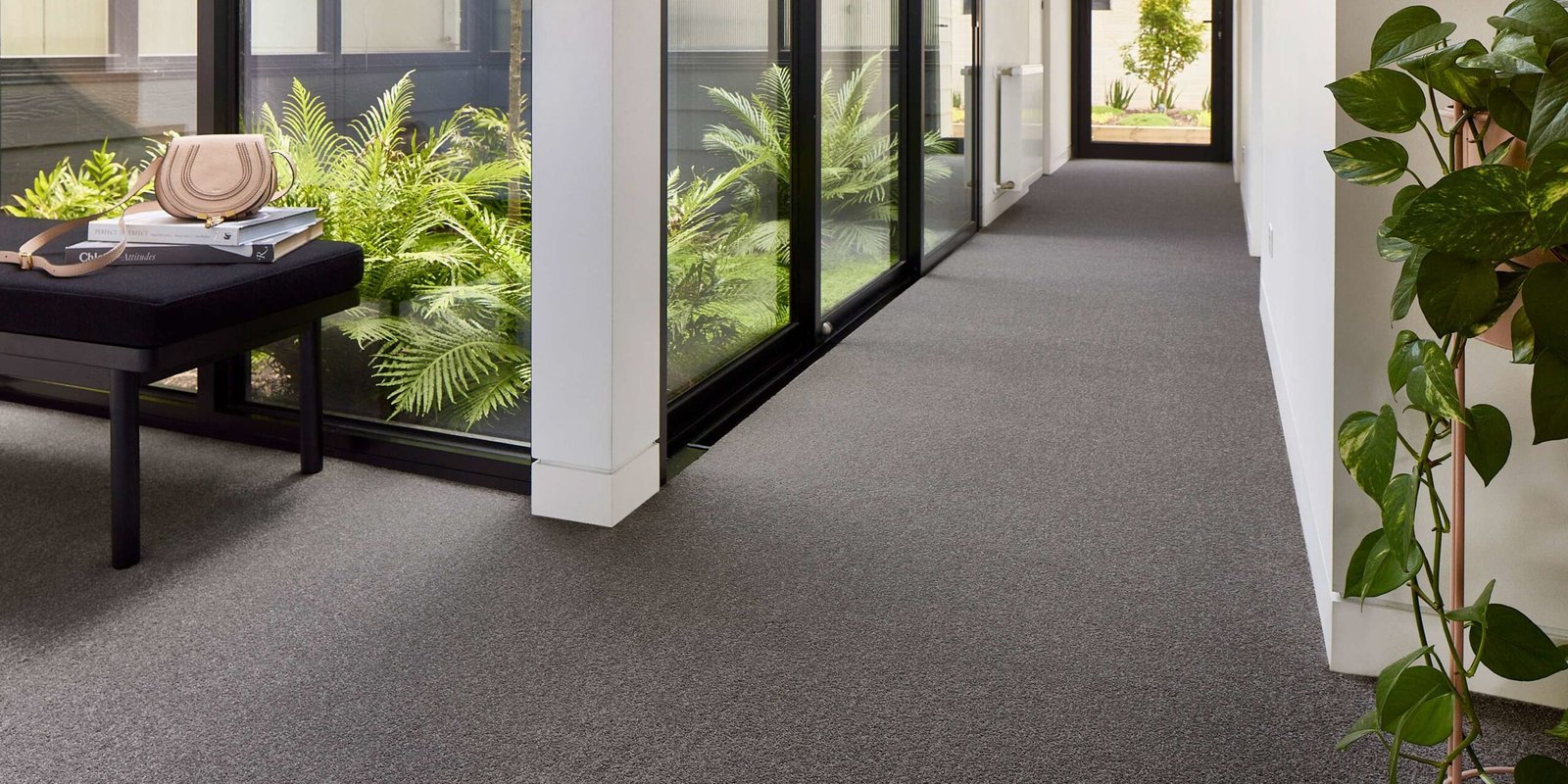
Cork Flooring Melbourne: Sustainable Comfort and Superior Acoustic Insulation
Cork flooring Melbourne provides a unique intersection of natural beauty, ecological responsibility, and technical performance unmatched by synthetic flooring options. Sourced from the bark of the Cork Oak tree, the material’s distinctive cellular structure delivers exceptional thermal and acoustic insulation—a compelling advantage for apartments and energy-efficient homes across Melbourne.
What is Cork Flooring? Regenerative Material and Unique Structure
Cork is not timber; it is the bark of the Cork Oak tree, a truly regenerative resource that is harvested without harming the tree itself. This process ensures the product is one of the world’s most sustainable flooring materials.
The material’s strength lies in its microscopic composition:
Cellular Structure: Cork is made up of millions of tiny, air-filled, closed cells per cubic centimetre. This honeycomb formation acts like a natural cushion and a highly effective sound and temperature barrier.
Suberin: A natural waxy substance found in the cell walls, suberin naturally repels insects, moisture, and mildew, contributing to the material’s durability and hypoallergenic properties.
Key Features of Modern Cork Floor Tiles and Planks
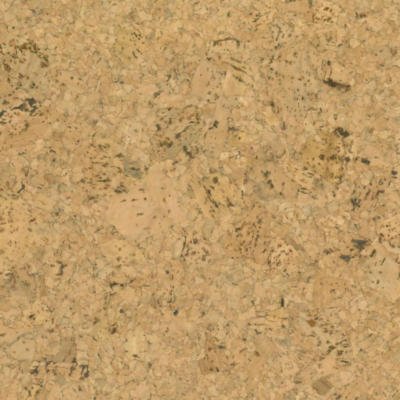
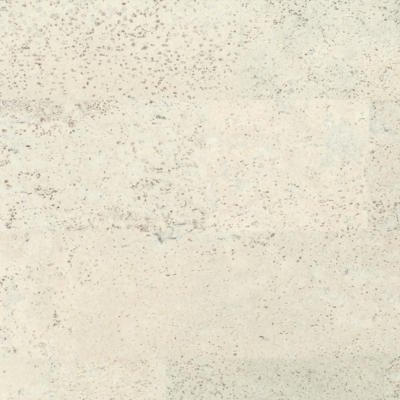
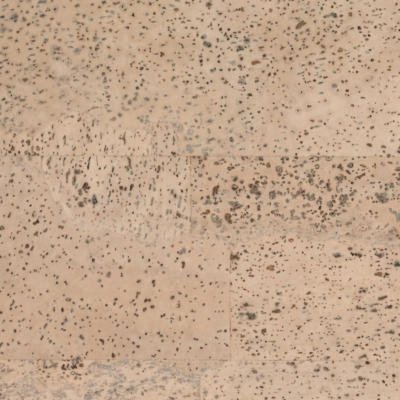
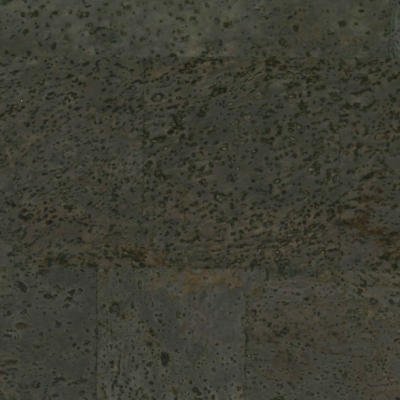
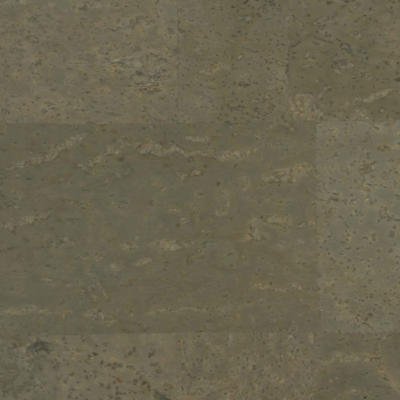
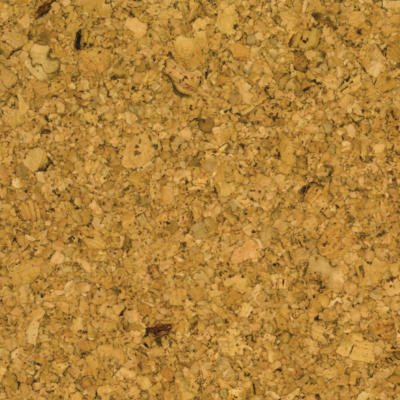
The perception that cork is only available in a traditional, natural brown tile is outdated. Modern cork flooring now utilizes advanced stains and cutting techniques to offer a vast palette of colours and styles.
Thermal Insulation: The air-filled cells keep the floor warm in winter and cool in summer, aiding in energy efficiency and making cork noticeably warmer and softer underfoot than ceramic or stone.
Acoustic Dampening: Cork’s cellular structure significantly reduces impact noise (footsteps) within a room and minimizes sound transmission between floors, a critical benefit in multi-story dwellings.
Resilience and Comfort: Its natural elasticity allows cork floor tiles and planks to ‘bounce back’ from compression, providing exceptional comfort on joints and resisting damage from dropped items.
Why Cork Flooring is Popular in Melbourne Homes
Cork flooring appeals strongly to the Melbourne market for lifestyle reasons:
Eco-Consciousness: Homeowners prioritize the use of natural, renewable, and biodegradable materials in their renovations.
Health Benefits: Its hypoallergenic and antimicrobial properties create a cleaner indoor environment, ideal for allergy sufferers.
Refinishability: Glue-down cork floor tiles can be professionally sanded and resealed over decades, ensuring the floor lasts 30-40 years with proper maintenance.
Cork Flooring Installation: Floating vs. Glue-Down
A professional cork flooring installation ensures the product achieves its maximum lifespan and performance, particularly concerning moisture control.
Preparation: The subfloor must be perfectly flat, clean, and dry. Levelling may be required, as cork is flexible and will follow the contours of the surface beneath it.
Floating Planks: These use a click-lock system, installed over an underlay (often already attached). This is generally faster but may limit future refinishing options.
Glue-Down Tiles: Traditional cork floor tiles are fully adhered to the subfloor. This method offers the best stability, moisture protection, and allows for full sanding and resealing later in the floor’s life.
Partner with a Specialist Cork Flooring Supply and Installer
Securing high-quality cork flooring supply is the first step. Our team specializes in the detailed preparation and precise installation required for both traditional and modern cork flooring products, ensuring you receive a guaranteed, long-lasting finish.
Get FREE consultation & quote for your wood flooring installation now!
Email : info@woodflooringpro.com.au | Phone : 0415453721
Top 5 FAQs for Cork Flooring Melbourne
How much does professional Cork Flooring Installation cost in Melbourne?
The total installed cost for Cork Flooring Melbourne typically ranges from $100 to $160 per square meter, depending on the product type.
Material: Cork floor tiles or boards cost approximately $60 to $100 per m².
Installation: Specialist labour for Cork flooring installation is highly variable, often priced between $40 and $70 per m², particularly if subfloor levelling is required. Glue-down installation tends to be more labour-intensive than floating plank installation.
Is modern cork flooring durable and can it withstand pets and heavy furniture?
Yes, modern cork flooring is resilient and durable due to its cellular structure, which allows it to spring back from temporary compression (like foot traffic). However, its softness is also a drawback for heavy furniture; the resilience does not always prevent permanent indentations if the weight is excessive and static over a long period. Cork handles pet traffic well, but large dogs with sharp, untrimmed claws may cause minor surface scratching that may require maintenance.
Is Cork Flooring waterproof and suitable for bathrooms?
Cork is highly water-resistant but not 100% waterproof. The natural suberin repels moisture, but the surface must be meticulously maintained with a water-resistant sealant (polyurethane or wax). Cork flooring installation in wet areas like bathrooms requires a perfect seal and regular maintenance (resealing every 5-7 years) to prevent moisture from compromising the sublayers. For maximum water security, fully waterproof Hybrid or Vinyl may be preferred.
How is cork flooring maintained, and does it require refinishing?
Maintenance for cork floor tiles is simple: regular sweeping or vacuuming and occasional damp (not wet) mopping. The key difference from laminate or vinyl is that cork requires periodic resealing (typically every 5 to 10 years for residential use). This process involves lightly sanding and applying a new coat of polyurethane or wax, which renews the floor's protection, preventing water damage and restoring its original lustre.
Why is cork flooring considered a sustainable choice?
Cork flooring supply is considered one of the most sustainable in the industry because it is harvested from the bark of the Cork Oak tree without felling the tree. The bark naturally regenerates, allowing the tree to be harvested every 9 to 12 years over its 200-year lifespan. This process not only preserves the forests but also supports the local ecosystem, making it a genuinely eco-conscious alternative to traditional timber or fossil fuel-based synthetics.