Bamboo Flooring Melbourne: The Durable, Sustainable Timber Alternative
Bamboo flooring offers a unique blend of natural aesthetic appeal and exceptional durability, making it one of the most compelling alternatives to traditional bamboo timber flooring in the modern Melbourne home. Sourced from one of the world’s most rapidly renewable resources, this product delivers superior strength and a distinct visual character, establishing a new benchmark for eco-friendly hard floors.
What is Bamboo Flooring? Manufacturing and Density
Unlike traditional hardwood, bamboo is a giant, fast-growing grass. Its transformation from stalk to hard flooring is a specialized manufacturing process that results in its renowned density.
Strand-Woven Bamboo: The Hardwood Alternative
While horizontal and vertical constructions exist, strand-woven bamboo is the construction method that has revolutionized the market. This process involves:
Shredding: Bamboo fibres are shredded and separated.
Compression: These strands are then saturated with adhesive resin and compressed under immense heat and pressure.
Density: The result is a flooring material that often achieves a Janka rating significantly higher than many traditional hardwoods, making bamboo wood flooring highly resistant to impacts and dents.
Key Features and Benefits of Bamboo Wood Flooring
Choosing bamboo flooring Melbourne provides distinct, measurable advantages:
Superior Hardness: Strand-woven planks offer exceptional durability, making them an excellent choice for high-traffic areas and busy family homes.
Sustainability: Bamboo matures and is ready for harvest in just 3-5 years, compared to the 20-100 years required for traditional timber species. This rapid regeneration makes it a genuinely sustainable flooring option.
Refinishable Surface: Quality, glue-down bamboo timber flooring can be sanded and refinished multiple times over its lifetime, mirroring the value retention of natural hardwood.
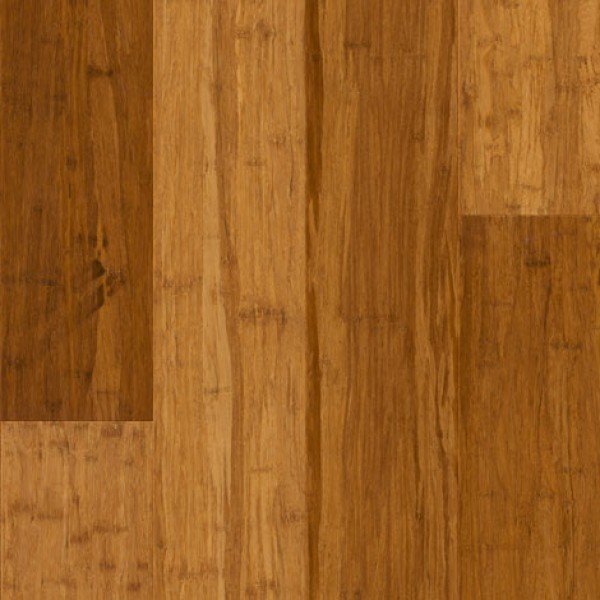
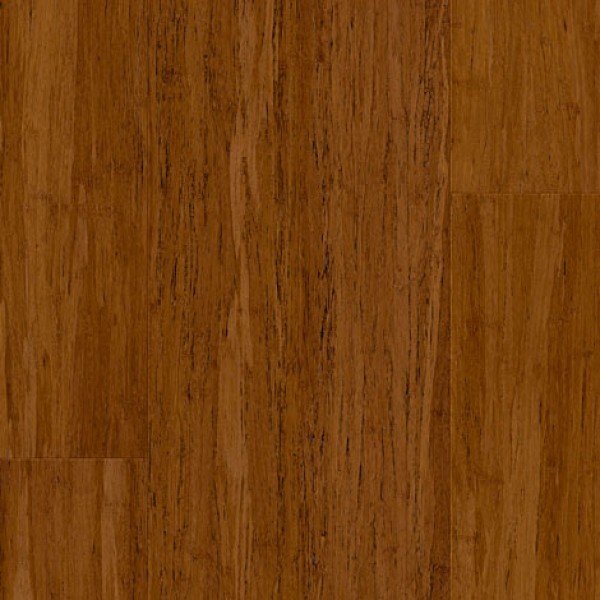
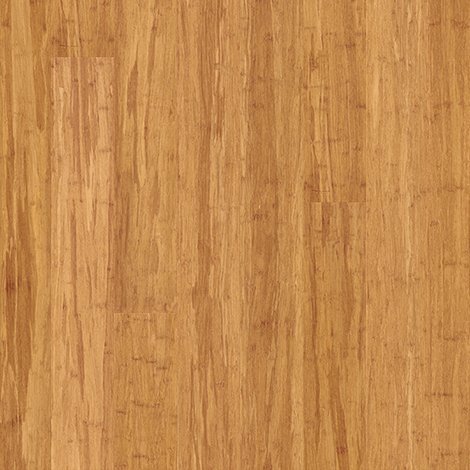
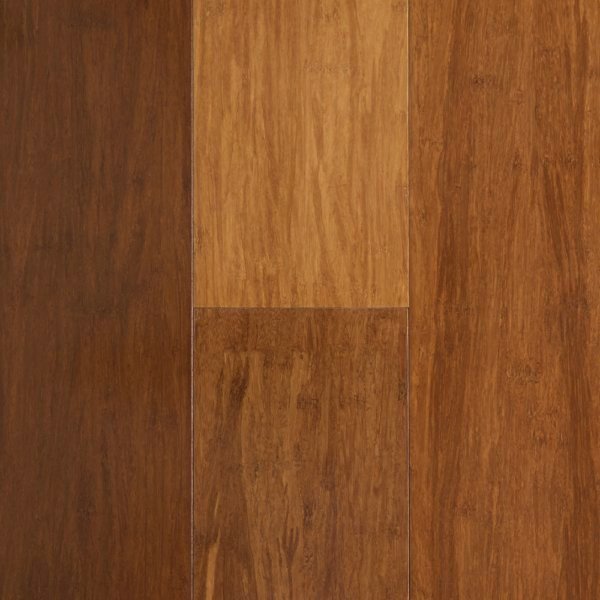
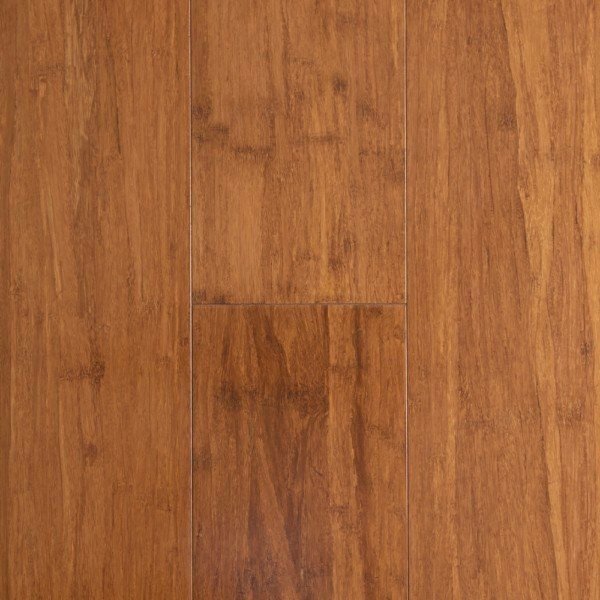
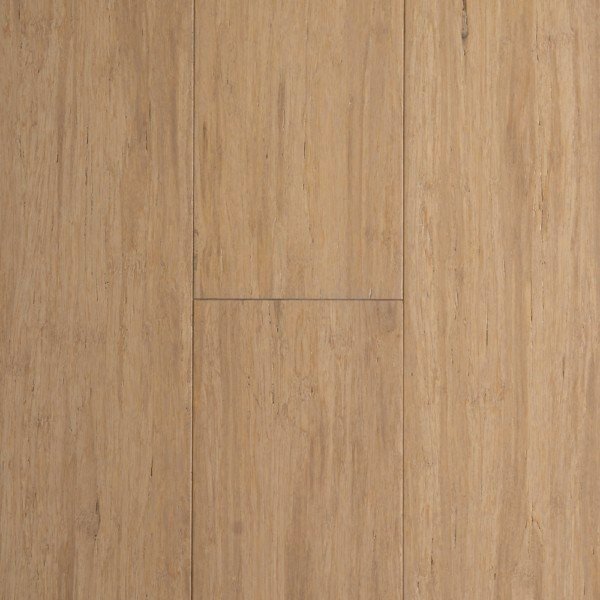
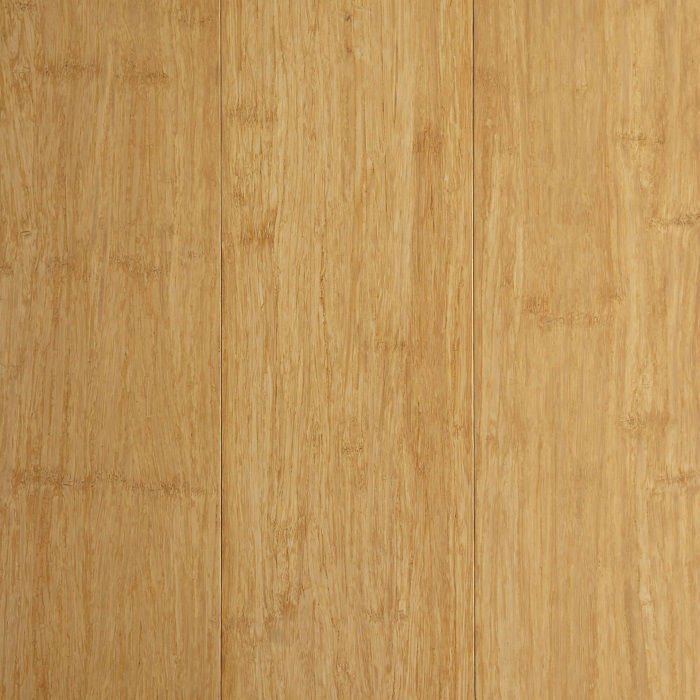
Clean Aesthetics: The planks offer a modern, clean grain that brings natural light and sophisticated linearity to any interior design scheme.
Professional Bamboo Flooring Installation Process
Successful bamboo flooring installation hinges on precision and control over moisture, as the product is moisture-sensitive like any natural timber. Engaging a skilled specialist is vital to ensure long-term stability and to validate product warranties.
Acclimatisation: Planks must be delivered to the site and allowed to stabilize with the ambient temperature and humidity for several days before installation begins.
Subfloor Preparation: The subfloor must be meticulously cleaned, dry, and levelled. Moisture testing is mandatory on concrete slabs, often requiring a vapour barrier to prevent movement.
Installation Method: Both click-lock floating systems and the more stable glue-down (direct stick) method are used. Glue-down offers superior stability and allows for future refinishing, making it the preferred method by professional bamboo flooring installer teams.
Cost Effectiveness and Investment Value
While bamboo wood flooring material costs are competitive with mid-range engineered timbers, its superior density and potential for refinishing translate to high long-term value. The combination of its durability and aesthetic appeal contributes positively to property value, positioning it as an affordable yet elegant investment.
Engage a Specialist Bamboo Timber Flooring Installer
To guarantee the longevity and beauty of your floor, secure the services of a specialist. We provide expert guidance on the highest density, low-VOC bamboo timber flooring available, ensuring a professional and warranted installation.
Get FREE consultation & quote for your wood flooring installation now!