Vinyl vs Bamboo vs Cork Flooring Australia: The Ultimate Material Comparison
Choosing a new floor requires a precise evaluation of material properties, moving beyond traditional timber. This section focuses on 3 fundamentally different alternatives available across Australia: Vinyl, Bamboo, and Cork Flooring. These options are grouped to serve distinct priorities: Bamboo and Cork for eco-minded buyers seeking sustainable, natural materials, and Vinyl for those requiring maximum resilient, waterproof performance.
When weighing the attributes of Vinyl vs Bamboo vs Cork Flooring Australia, it’s essential to recognize their fundamentally different construction types—polymer-based, fibrous wood-alternative, and regenerative bark. Each possesses distinct performance metrics affecting longevity, comfort, and environmental impact. This guide provides a direct analysis of their core differences and comparative benefits.
Core Material and Formation: Synthetic vs. Natural
The formation process dictates the floor’s behaviour under stress and moisture.
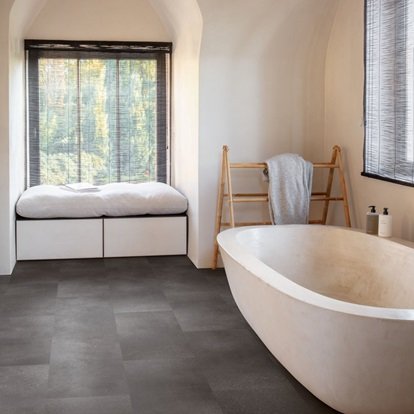
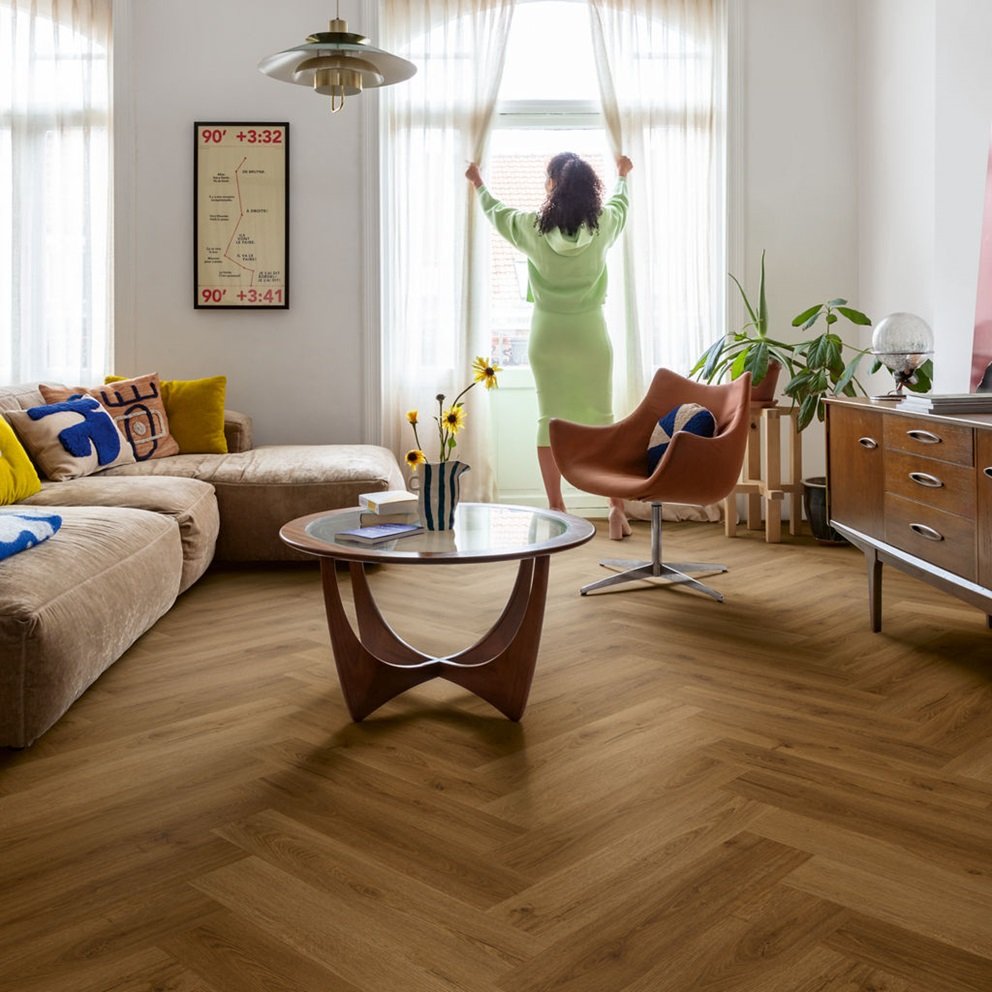
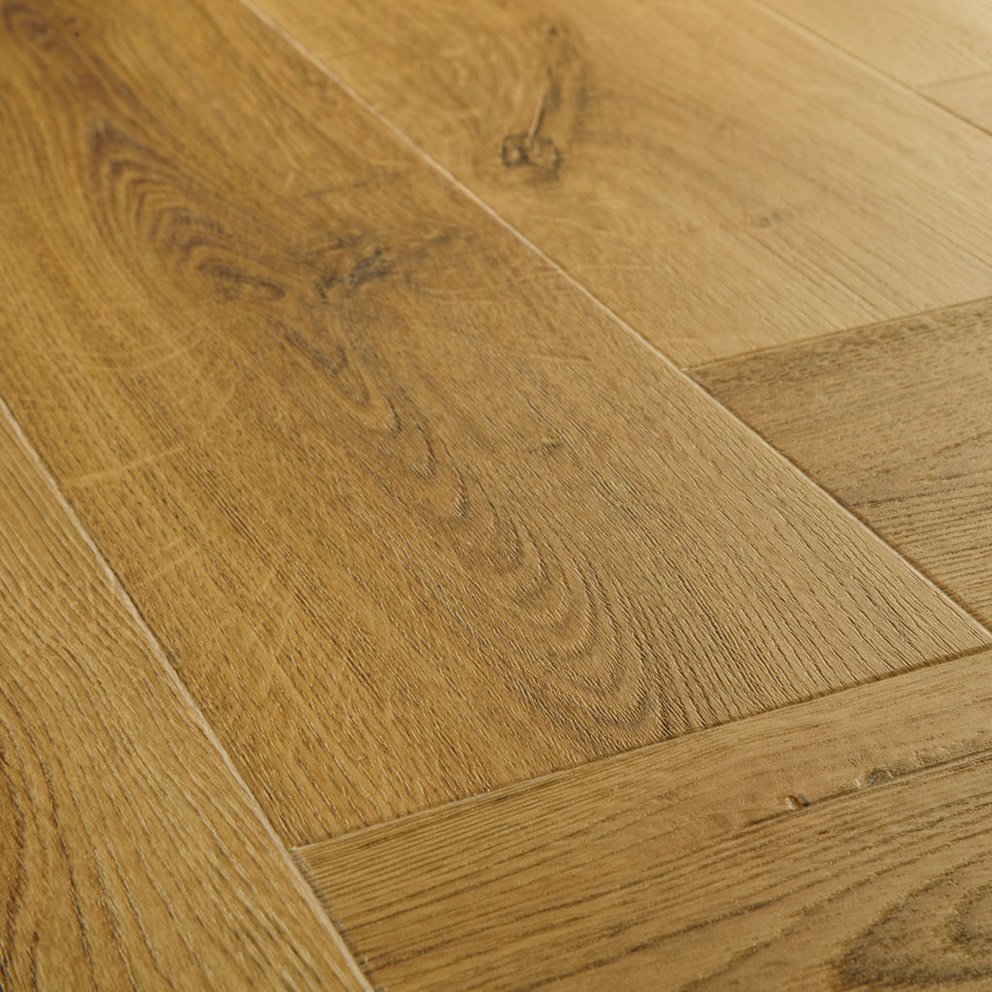
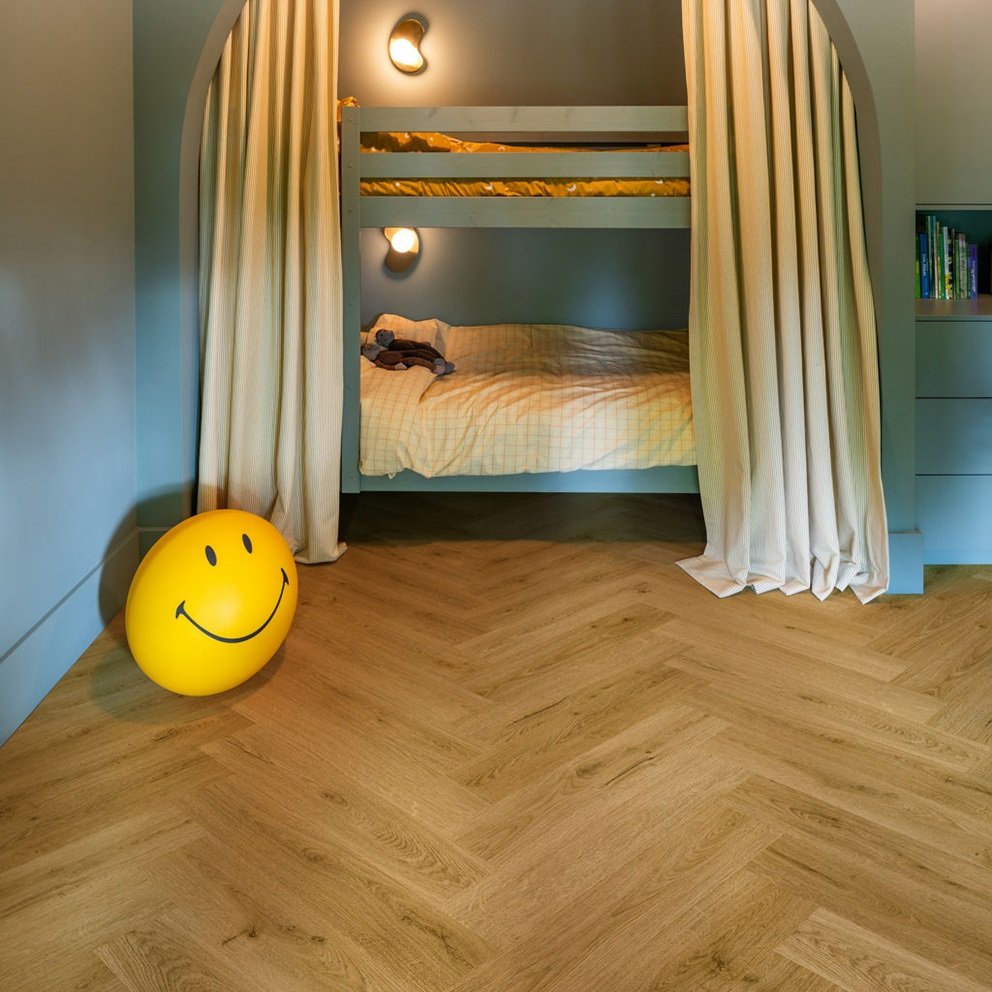
Vinyl Flooring: Modern Luxury Vinyl Planks (LVP) are synthetic, multi-layered floors made primarily from PVC (Polyvinyl Chloride) or SPC (Stone Plastic Composite).1 This composite core is what makes high-quality vinyl inherently 100% waterproof. The design is a photographic print.
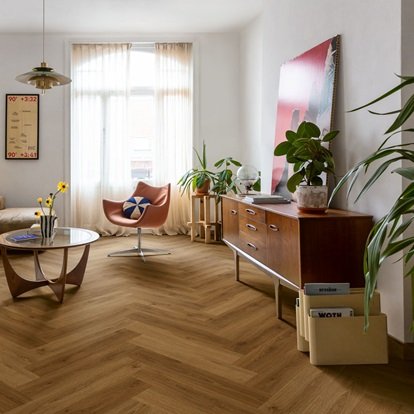
Bamboo Flooring: This material is derived from a rapid-growing grass.2 The stalks are sliced or shredded, then compressed with resins under intense heat and pressure to create solid, durable bamboo flooring planks.3 Strand-woven bamboo is the hardest, offering a true natural timber look with high density.4
Cork Flooring:Made from the renewable bark of the Cork Oak tree, cork is a cellular material that contains millions of air pockets.5 It is typically supplied as tiles or planks that often feature a protective sealant.6 Its unique, spongy structure is responsible for its signature thermal and acoustic properties.7
Features and Durability: Waterproofing and Wear
Analyzing the Vinyl vs Bamboo vs Cork Flooring pros & cons reveals clear performance leaders for different environments:
Feature
Vinyl Flooring (LVP)
Bamboo Flooring (Strand-Woven)
Cork Flooring (Sealed)
Waterproofing
100% Waterproof core. Ideal for bathrooms/laundries.
Highly moisture resistant, but not waterproof. Must be sealed.
Naturally water-resistant, but requires excellent top seal to prevent staining/swelling.
Hardness/Denting
High resistance to dents/scratches due to rigid core (SPC).
Exceptionally hard, often harder than Oak. Can be refinished.
Resilient, can 'spring back' from light compression, but susceptible to gouges.
Repair
Individual plank replacement (floating install).
Can be sanded and refinished multiple times.
Difficult to repair localized damage without resurfacing the whole area.
Benefits and Sustainability: Comfort and Environmental Impact
Comfort and Noise: Cork flooring is the clear winner for comfort.8 Its air-filled cellular structure provides the best thermal insulation (warm in winter, cool in summer) and superior sound absorption, making it excellent for apartments.9 Vinyl is soft and warm, but Bamboo is typically the hardest and coldest underfoot.10
Sustainability: Cork flooring is the most sustainable option, as only the bark is harvested without harming the tree.11 Bamboo flooring is highly renewable due to its rapid growth cycle (3-5 years).12 Vinyl’s sustainability depends on its content, but being largely plastic, it is the least biodegradable.
Installation Process and Comparative Costs
All three are typically installed as a floating floor system via click-lock planks, reducing labour costs compared to direct-stick wood.
Metric
Vinyl Flooring (LVP)
Bamboo Flooring
Cork Flooring
Material Cost
$35 – $65 per m²
$40 – $80 per m²
$40 – $90 per m²
Installation Cost
$10 – $40 per m²
$50 – $80 per m²
$25 – $55 per m²
Total Installed Cost
$45 – $105 per m²
$90 – $160 per m²
$65 – $145 per m²
Selecting the Best Option for Your Australian Home
For maximum durability and peace of mind in wet areas, modern vinyl is unmatched. For a genuinely renewable, refinishable material with a natural wood aesthetic, bamboo is the choice. For superior acoustic and thermal comfort, particularly in bedrooms or multi-story buildings, cork is the specialist solution.
Get FREE consultation & quote for your wood flooring installation now!
Which material offers the best sound insulation for apartments or upper floors?
Cork flooring offers the best natural sound insulation, a crucial factor in many Australian apartments. Its cellular, air-filled structure absorbs impact noise far better than the dense structures of Vinyl or Bamboo. While Vinyl and Bamboo can be installed with acoustic underlays to meet compliance, cork provides excellent noise reduction inherently, making it a highly desirable choice for upper stories.
Can Bamboo Flooring be sanded and refinished like traditional hardwood?
Yes, high-quality bamboo flooring, particularly strand-woven varieties, can be sanded and refinished. This is a significant advantage over Vinyl and Laminate. Because bamboo is a natural, solid material compressed under high pressure, it can typically handle at least one to two full sandings, extending its lifespan significantly and allowing homeowners to renew its finish decades later.
Which flooring is the most resistant to indentation and scratching?
Both Vinyl vs Bamboo vs Cork Flooring pros & cons show different strengths here. Bamboo flooring (strand-woven) is generally the hardest material, offering the best resistance to deep dents from dropped objects. High-quality Vinyl flooring (SPC core) is highly resistant to surface scratches and scuffs due to its wear layer. Cork is the most susceptible to scratching, though its resilience allows it to recover from light compression marks.
Why is Vinyl Flooring considered the best option for Australian kitchens and laundries?
Vinyl is the preferred option for high-moisture areas because its core material is 100% waterproof (PVC/SPC). Unlike bamboo or cork, which are highly moisture-resistant but still risk damage from prolonged standing water if the sealant is compromised, vinyl will not swell, warp, or permanently degrade when exposed to spills, steam, or high humidity, offering ultimate peace of mind.
Is Cork Flooring a high-maintenance product compared to Vinyl or Bamboo?
Yes, cork requires the most vigilant maintenance to protect its surface. While daily cleaning is simple (sweep and damp mop), cork relies heavily on its surface sealant (polyurethane or wax) for protection against water and stains. This sealant may need to be reapplied or resealed every 5 to 10 years, especially in high-traffic areas, to maintain its moisture resistance. Bamboo and Vinyl are simpler, requiring no refinishing for 15-25+ years.
Schedule a consultation with our Australian flooring experts for a tailored quote and to review samples of Vinyl, Bamboo, and Cork options.