
Hybrid Flooring
- woodflooringpro.com.au
- Hybrid Flooring
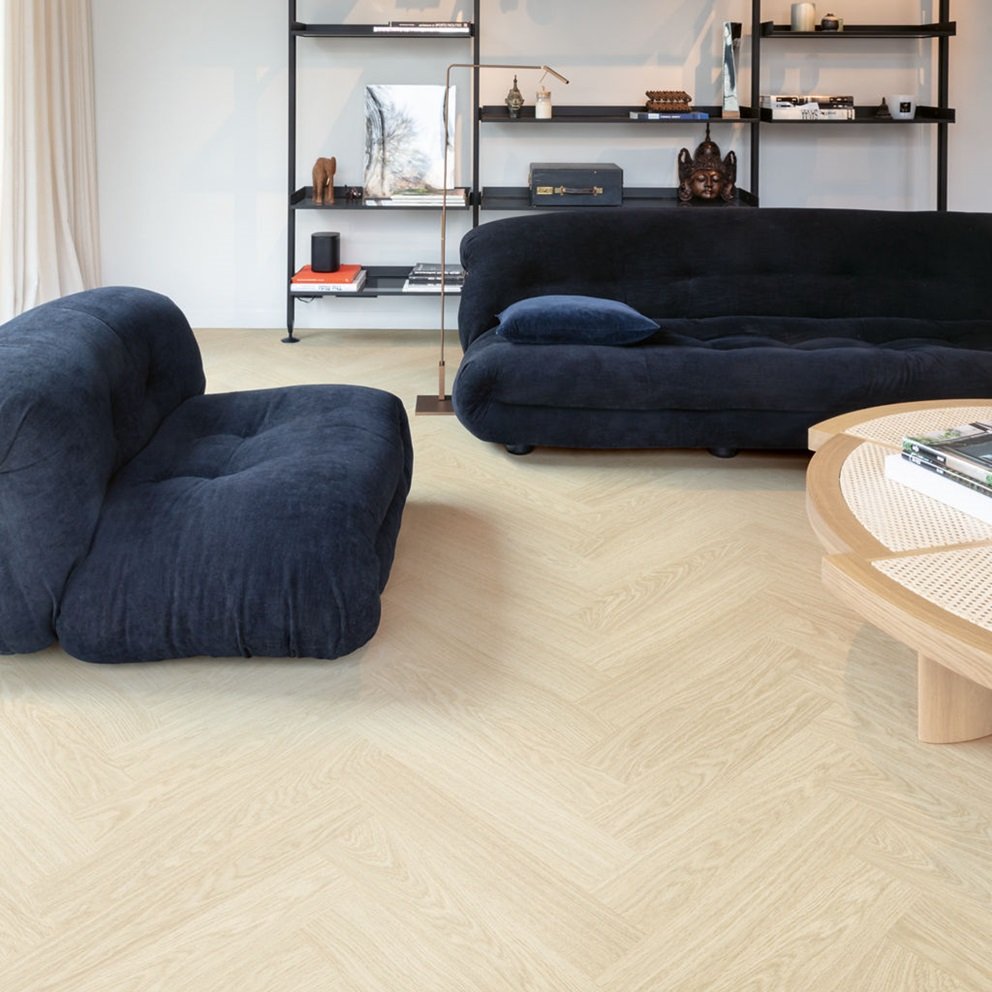
Hybrid Flooring Melbourne: 100% Waterproof, Durable, and Thermally Stable
Hybrid flooring has rapidly become Australia’s leading choice for timber-look floors, successfully engineering a product that merges the aesthetic appeal of wood with the ultimate resilience of vinyl. This innovative solution eliminates the common vulnerabilities of traditional flooring materials, offering a surface that is specifically designed to handle the variable conditions of Australian homes, from high foot traffic to fluctuating temperatures.
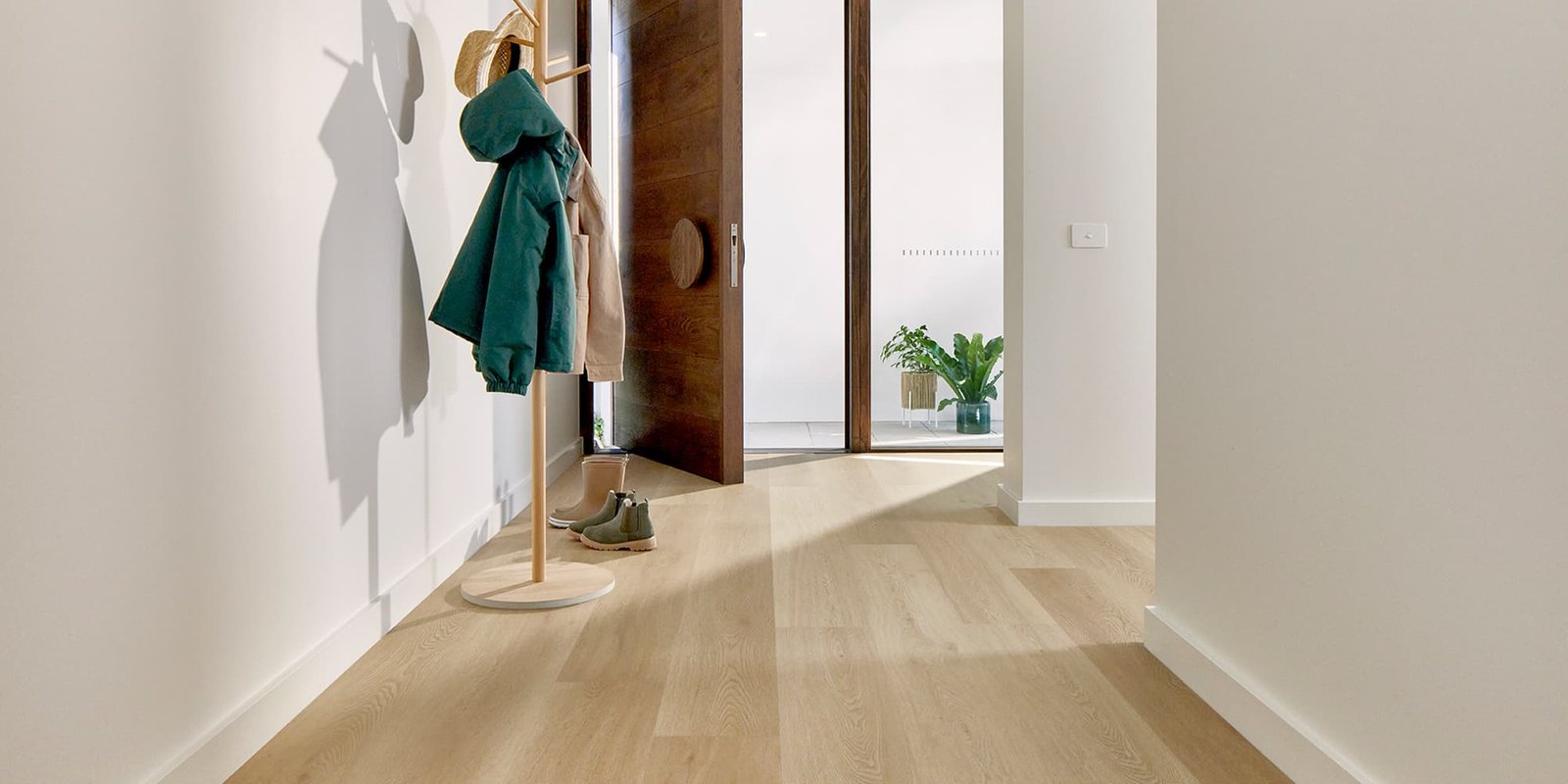
The Core Composition of Modern Hybrid Flooring
Hybrid flooring is not a single material but a composite, multi-layered floor built around a fully waterproof core. This construction is the key differentiator from laminate and engineered wood.
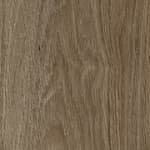
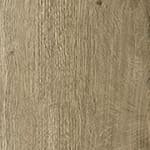
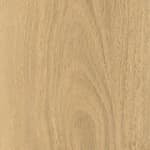
SPC vs. WPC: Key Differences in Rigid Core Technology
Two primary core materials dominate the Hybrid flooring supply chain, each offering slightly different characteristics:
SPC (Stone Plastic Composite): This core utilizes a dense mix of limestone powder and polymer stabilizers. It is exceptionally dense, rigid, and resistant to indentation. SPC hybrid flooring exhibits superior dimensional stability, making it highly effective against the expansion and contraction caused by temperature swings in Melbourne’s seasons.
WPC (Wood Plastic Composite): This core incorporates wood fibres alongside plastic components. WPC is slightly less dense than SPC, offering improved comfort and better sound absorption underfoot. Both SPC and WPC are 100% waterproof, but SPC is favoured for maximum rigidity.
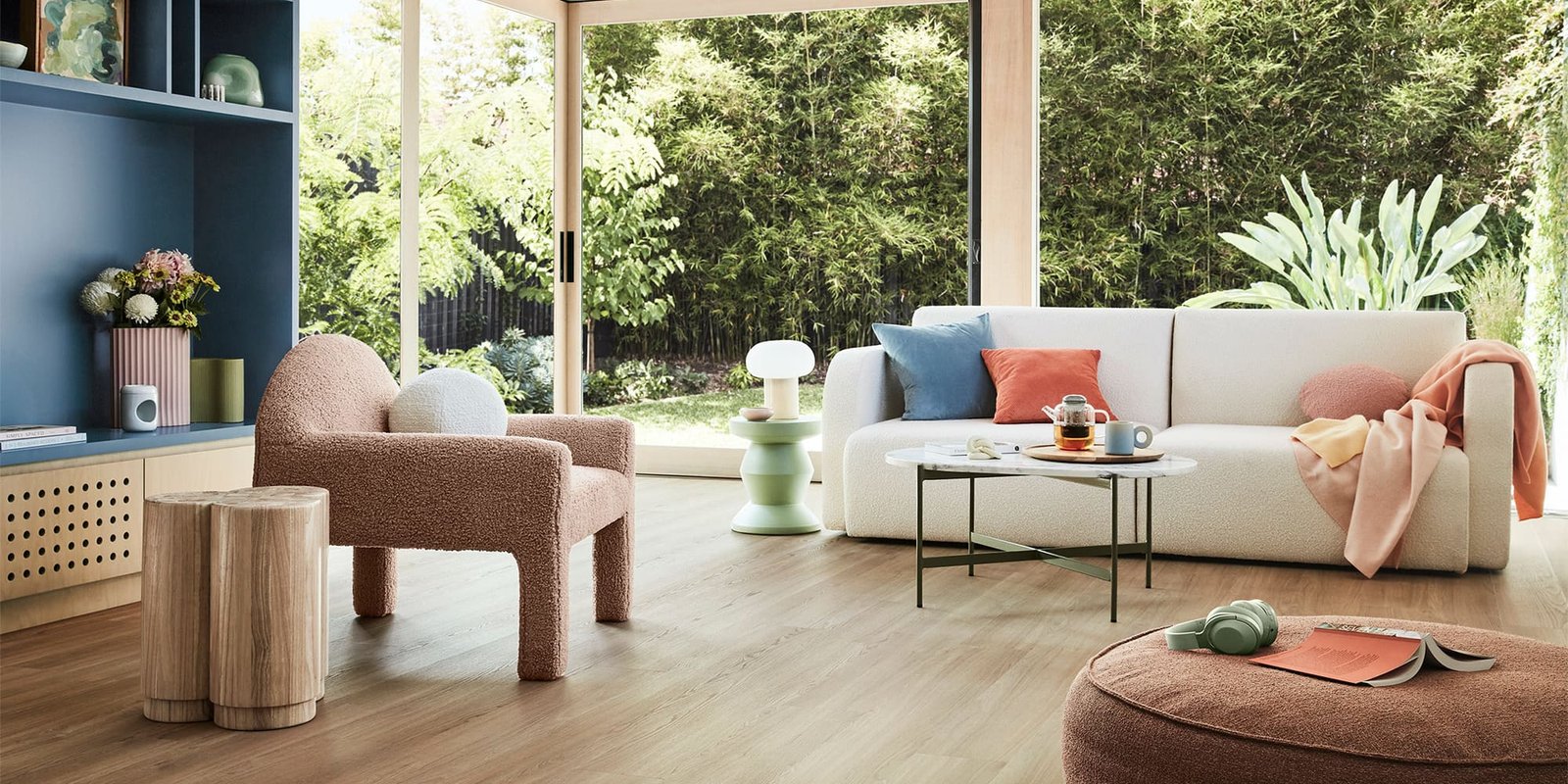
Essential Features for the Melbourne Climate
Every plank of hybrid flooring incorporates specialized layers that guarantee its performance:
100% Waterproof Core: The composite base prevents swelling, making it safe for all areas, including kitchens, laundries, and bathrooms.
Commercial-Grade Wear Layer: A thick, transparent layer of vinyl or polyurethane protects the decorative print from scratches, scuffs, and fading from UV light.
Pre-attached Underlay: Most hybrid floorboards include an integrated foam or acoustic backing. This layer provides thermal insulation, dampens footfall noise, and simplifies the hybrid flooring install process.
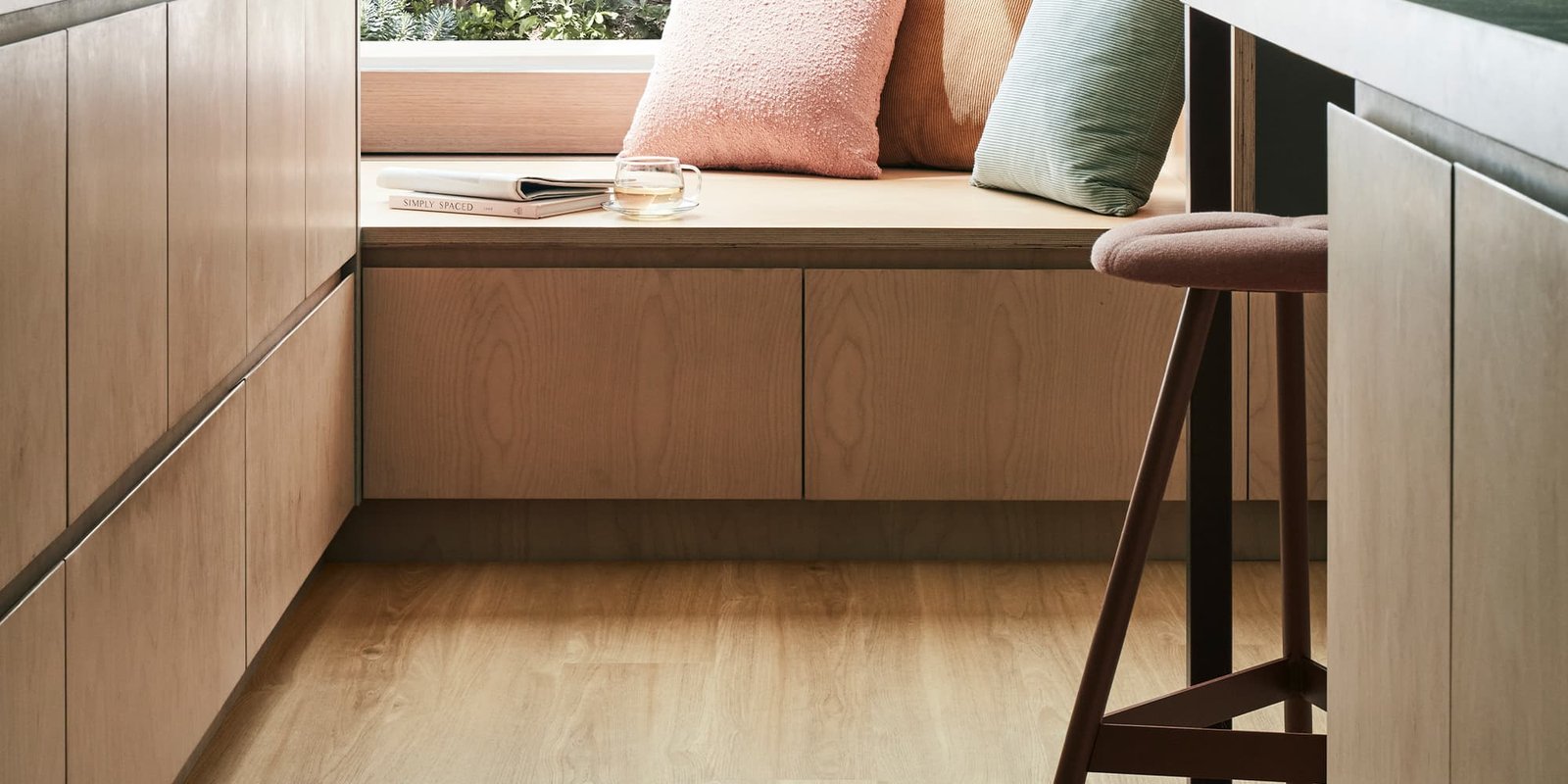
Hybrid Flooring Installation: The Floating Floor Advantage
The installation method is a significant benefit, drastically reducing labour time and complexity. As experienced hybrid flooring installer experts, we rely on the product’s built-in floating system.
The process involves:
Subfloor Preparation: While hybrid is rigid, the subfloor must be clean, dry, and flat (maximum 4mm deviation over 2 meters). Minor imperfections are absorbed by the rigid core, a key benefit over more flexible vinyl options.
Click-Lock System: Planks are connected via a mechanical click-lock joint (like Uniclic), allowing the entire floor to ‘float’ over the subfloor without being nailed or glued down.
Expansion Gaps: A small gap (typically 6mm–10mm) is left around the perimeter to allow for minor thermal movement. This gap is then concealed by skirting boards or scotia.
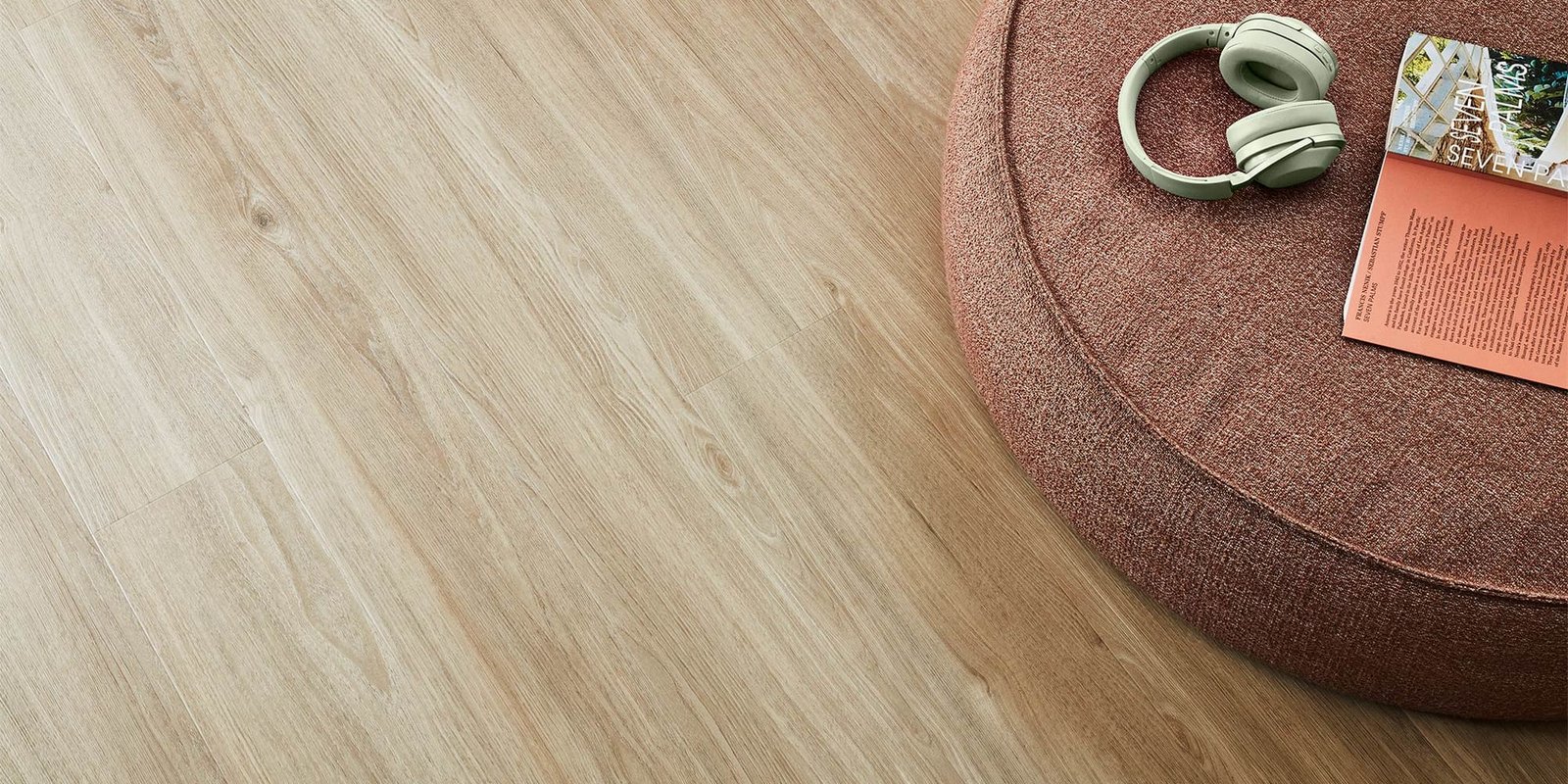
Why Choose Our Hybrid Flooring Company and Supply?
Selecting a trusted hybrid flooring company ensures the quality of both the product and the workmanship. Our services focus on the long-term satisfaction of the client, providing high-end hybrid flooring supply with robust warranties. We guarantee a professional hybrid flooring installer will deliver the required precision, resulting in a seamless, quiet, and enduring floor that looks and feels like premium timber.
Get FREE consultation & quote for your wood flooring installation now!
Email : info@woodflooringpro.com.au | Phone : 0415453721
Top 5 FAQs for Hybrid Flooring Melbourne
What is the typical combined cost for Hybrid Flooring supply and installation in Melbourne?
Hybrid flooring offers excellent value. For material and professional hybrid flooring install combined, costs in Melbourne generally range from $60 to $100 per square meter.
Budget/Mid-Range Hybrid: $60 – $80 per m² (Often 6.5mm thick with a standard wear layer)..
Premium/High-End Hybrid: $80 – $120+ per m² (Often 8mm–9mm thick, featuring premium acoustics, enhanced stability, and high-density SPC core). Final cost depends on subfloor preparation and the removal of existing flooring, which your hybrid flooring company will detail..
Can Hybrid Flooring be installed over existing tiles or concrete?
Yes, this is one of the main advantages of hybrid flooring. Its rigid core allows it to be installed directly over stable, existing hard floors like tiles or concrete, provided the surface is generally flat and clean. The high density of the core helps bridge minor inconsistencies in the subfloor. A professional hybrid flooring installer will always recommend a moisture test on concrete before proceeding.
What makes the SPC core better than the WPC core for the Melbourne climate?
The SPC (Stone Plastic Composite) core is denser and harder than the WPC (Wood Plastic Composite) core. This higher density provides superior dimensional stability, meaning the planks are less likely to expand or contract due to the significant indoor temperature swings experienced in Melbourne between summer and winter. For rooms with large windows or direct sunlight, the rigidity of SPC hybrid flooring is highly preferable.
Is Hybrid Flooring susceptible to fading from sunlight?
High-quality hybrid flooring supply includes a UV-resistant coating built into the top wear layer. While all materials can eventually fade under extreme, sustained sun exposure, hybrid floors are far more resistant to UV degradation than many stained timber and LVT (Luxury Vinyl Tile) products. Choosing a reputable brand from a dedicated hybrid flooring company ensures the highest possible UV protection for your floor.
How should Hybrid Flooring be cleaned and maintained?
The maintenance for hybrid flooring is minimal. Regular sweeping, vacuuming, and occasional damp mopping are all that is required. Since the floor is 100% waterproof, the planks can be safely damp-mopped, unlike laminate. Abrasive cleaners, steam mops, and excessive water should be avoided. The ease of repair—damaged planks can be unlocked and replaced by a hybrid flooring installer—makes it a practical choice for busy households.