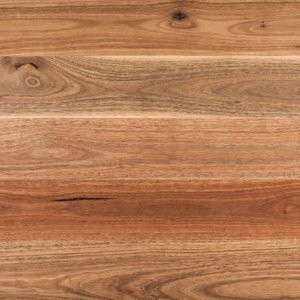
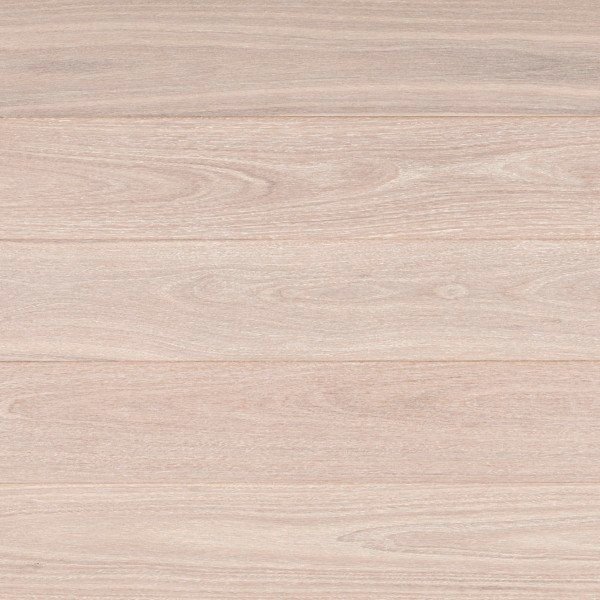
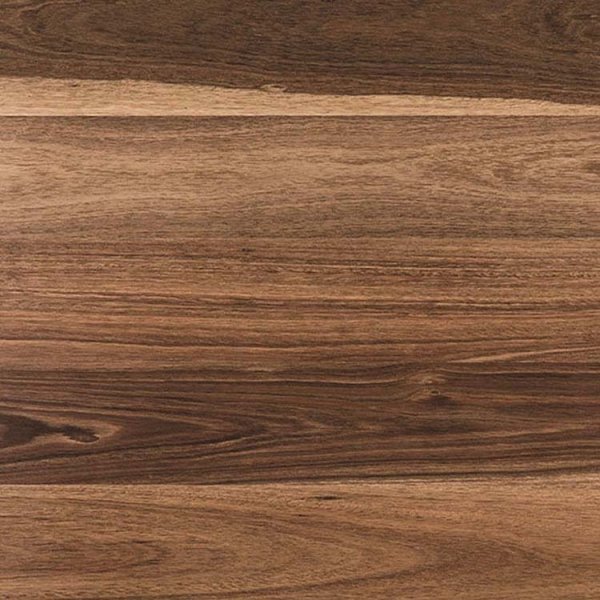
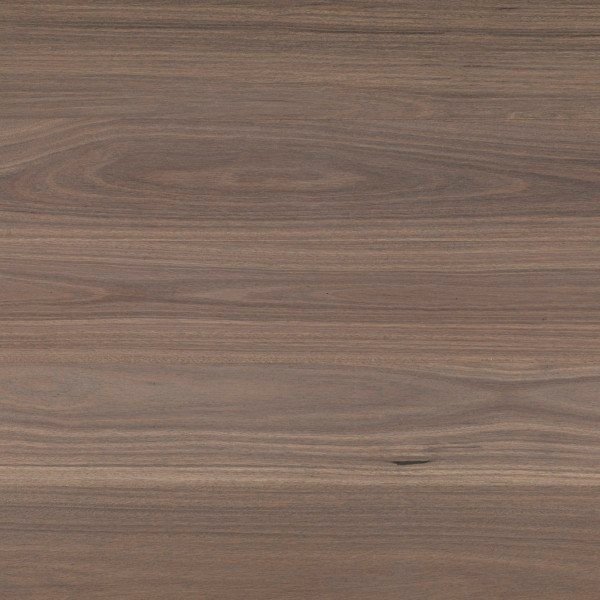
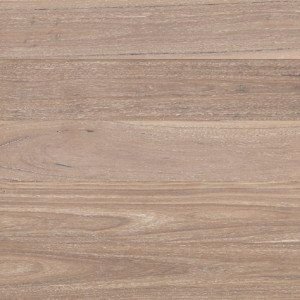
Engineered Wood Flooring Melbourne: Superior Stability & Real Wood Value
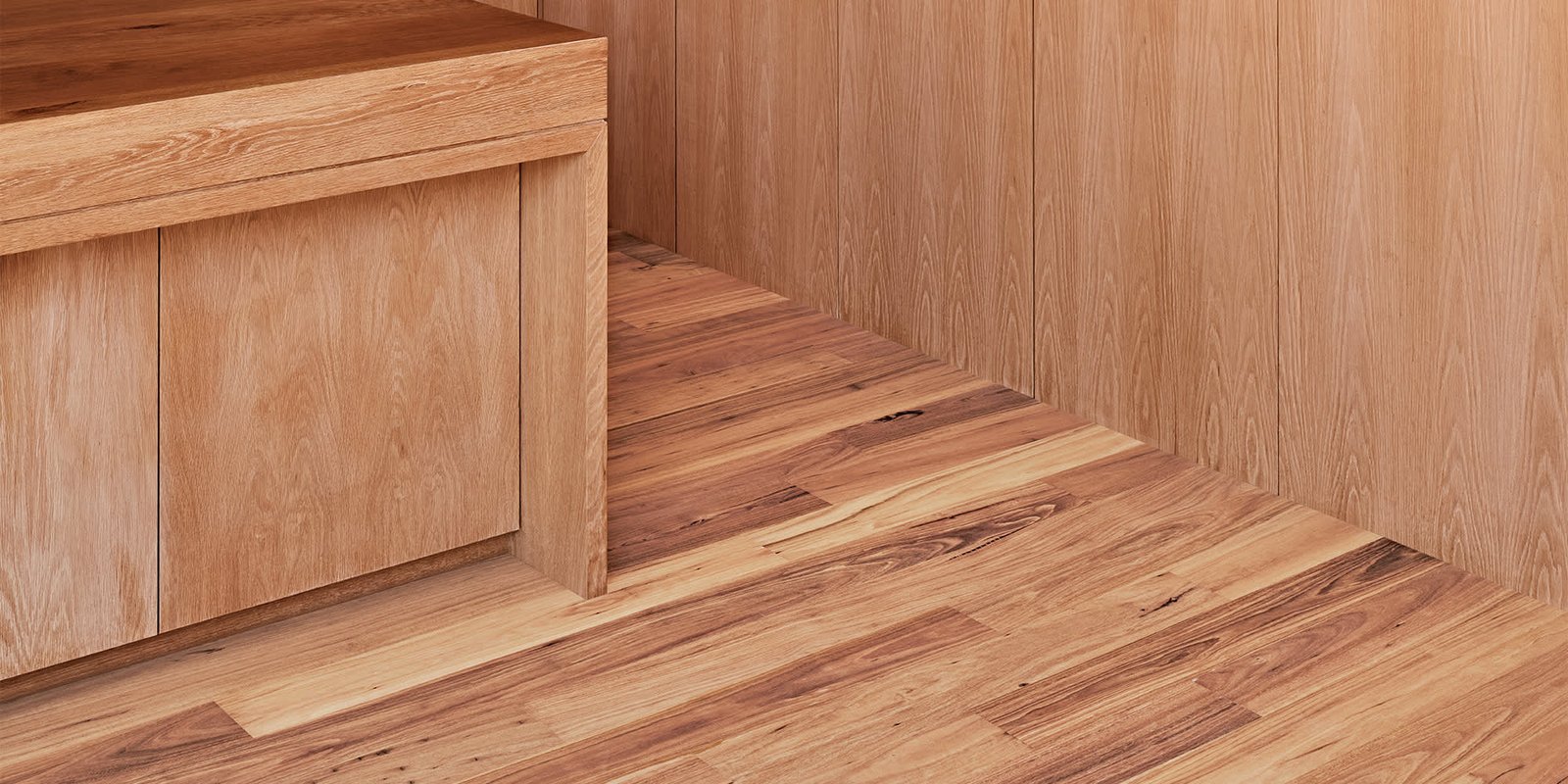
If you’re looking for the authentic beauty of natural timber with maximum stability, you need Engineered Wood Flooring Melbourne. Wood Flooring Pro offers over 15 years of specialization in supplying and executing professional engineered wood floor installation across Melbourne homes and commercial properties. We deliver the perfect balance of genuine hardwood aesthetics, modern construction, and long-term performance.
Understanding Engineered Timber Flooring: Construction and Features
Engineered Wood Flooring Melbourne offers a significant performance upgrade over traditional hardwood, directly addressing issues like cupping and gapping often seen in solid timber. To appreciate this benefit fully, it’s essential to understand the innovative structure and technical design that makes this engineered timber flooring a reliable and aesthetically superior choice for any Melbourne property.
What is Engineered Wood Flooring? The Modern Solution
Engineered wood flooring (often called engineered timber flooring in Australia) is a multi-layered board. It features a genuine, thick veneer of real wood (the visible layer) adhered to a strong, stable core of plywood or high-density fibreboard (HDF). This innovative construction makes it one of the most popular flooring solutions today.
Key Feature: The layers are bonded in a cross-ply arrangement, which dramatically counteracts wood’s natural tendency to expand or contract.
Benefits: Exceptional stability and reduced risk of cupping or warping in Melbourne’s fluctuating climate, making it ideal for large, open-plan spaces and installations over concrete.
Engineered Hardwood Flooring vs. Solid Timber: The Stability Difference
When comparing engineered hardwood flooring to traditional solid timber, stability is the decisive factor. While solid timber offers more refinishes, engineered timber is far more stable. Its layered core allows it to be installed in areas unsuitable for solid wood, such as rooms with underfloor heating or directly over concrete slabs. For most modern building applications, engineered provides the highest performing solution with the genuine look of real timber.
Expert Engineered Wood Floor Installation Methods
Successful engineered wood floor installation requires precision. We specialise in two primary methods, tailored to your needs:
Floating Timber Floorboard Installation: Speed and Simplicity
The floating method involves clicking the engineered wood floorboards together without gluing them to the subfloor. The assembled floor “floats” over an acoustic underlay.
Floating Timber Floorboard is the fastest and most cost-effective method, making it ideal for installations over existing tiles or in apartments where sound reduction is required.
Direct Stick Installation: Superior Sound and Feel
The direct stick method involves gluing the engineered timber flooring directly to the subfloor.
Benefit: This provides a denser, quieter floor that feels almost identical to solid timber underfoot. While the initial engineered wood flooring costs are slightly higher, this method is highly recommended for premium-grade floors and maximizing longevity.
Engineered Wood Flooring Costs & Your Investment
Investing in engineered wood flooring is a smart financial move. It is generally more affordable than solid timber while still commanding a high resale value due to its real wood veneer. We provide transparent quotes detailing all aspects of the engineered wood flooring costs, including supply, subfloor preparation, and installation method.
Ready to Install Your Engineered Wood Floor?
Trust the Engineered Wood Flooring Melbourne specialists at Wood Flooring Pro for guaranteed quality, stability, and enduring beauty.
Get FREE consultation & quote for your wood flooring installation now!